
SPINE AND POSTURE
The Posture Reset: 5 Tiny Habits That Transform Your Spine Health
Let’s be honest, posture has such a reputation for being “hard work.” But it doesn’t need to be stiff, strict or boring. In fact, improving your posture is often as simple as sprinkling a few tiny habits into your day. These little shifts create magic when repeated often!
After nearly three decades as a chiropractor and a lifetime as an athlete, I’ve seen firsthand that your spine loves gentle, consistent attention. Here are my favourite micro-habits to instantly brighten your posture and make your body feel sooo much lighter.
1. The 30-Second Chest Opener
If there’s one stretch every modern human needs, it’s this. Phones, computers, driving, they all make our chest tight and our upper back cranky. Interlace your fingers behind you, gently lift your heart and breathe in deeply for 30 seconds. Ahhh… space returns instantly!
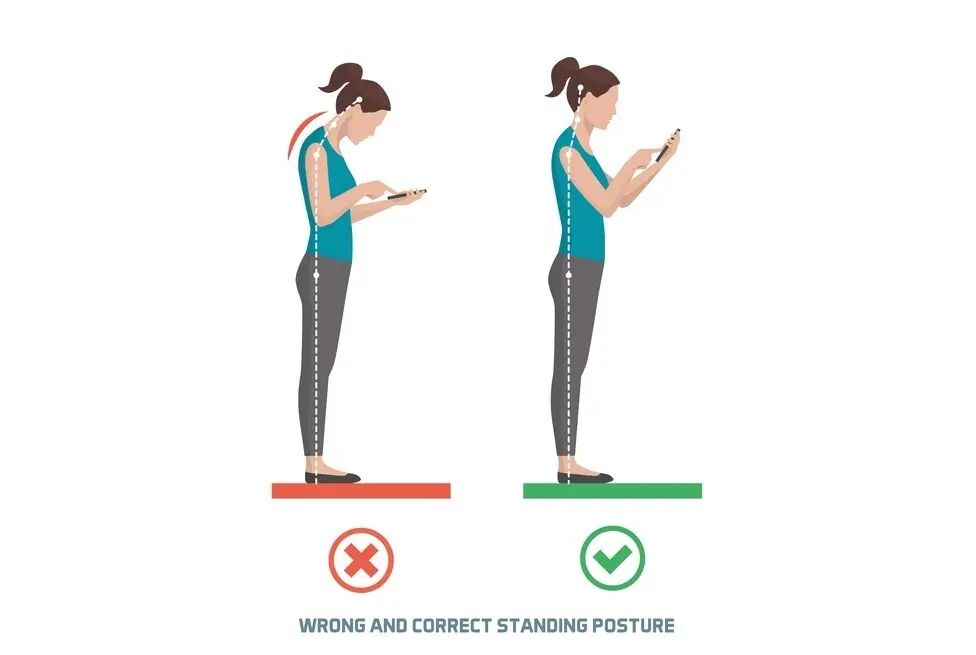
2. Stand Tall When You Scroll
We all scroll, so let’s make it spine-friendly. Stand with soft knees, weight evenly through both feet, and hold your phone a little higher. Your neck will feel so much happier, promise.
3. The “Tall Sits” Ritual
Each time you sit down, car, couch, desk, anywhere, take just one second to reset. Roll your shoulders back, lengthen through your crown and tilt your pelvis slightly forward. Micro-habit, mega-impact.
4. Root Yourself Through Your Feet
Your feet are your posture foundation! Spread your toes, feel the tripod of your foot and lightly switch on your core. You’ll feel your whole body stack beautifully.
5. Breathe Into Your Back
This is one of my favourite posture secrets. Your ribs expand sideways and backwards, not just forward. Gently place your hands on your lower ribs and breathe into them. Better breath = better posture.
Your Spine Will Love You for This
Tiny habits count. Try one, or try them all — your spine will absolutely notice.
Why Summer Sneakily Wrecks Your Posture (and Easy Beach Fixes!)
Ahhh summer… warm days, ocean dips, sand between the toes — and secretly, some of the worst posture habits of the year! Beach bags, soft lounges, road trips and towel reading can all quietly upset your beautiful alignment.
But don’t worry, there are quick, simple fixes you can do absolutely anywhere. Let’s keep your body feeling open and energised all summer long.
1. The Beach Bag Shoulder Tilt
Those huge beach bags we all carry? They love pulling one shoulder down. Switch sides often or use a backpack-style bag to keep your body balanced.
2. Soft Seats = Soft Spines
Pool lounges and beach chairs feel delicious… until your lower back starts complaining. Simply roll up a towel and place it behind your lumbar spine, instant support and sooo comfy!
3. Tummy Time Neck Strain
Reading on your stomach (phone or book!) makes your neck work overtime. Rest on your elbows, lengthen your neck and take breaks every 5–7 minutes. Easy fix, big relief.
4. Heat Makes Your Core Switch Off
In summer, we naturally soften and relax more. Give your spine a quick reset: stand tall, ground your feet, gently lift through your ribs and breathe in. That’s all you need.
5. Sandy Barefoot Bliss (if your feet are ready!)
Sand is wonderfully strengthening but very unstable. Do 10 slow heel raises on the sand before your beach walk. Your posture and ankle stability will thank you.
Summer + Healthy Posture = Bliss
These tiny tweaks keep your spine happy while you enjoy all the sunshine and salty joy of summer.

The Athlete’s Guide to a Resilient, Happy Spine
Whether you’re a runner, gym lover or simply someone who wants to feel strong and vibrant as you age your spine is your powerhouse. As both a chiropractor and a competitive Masters athlete, I’ve learned that spinal resilience is the secret behind performance, recovery and longevity.
Here’s what the track has taught me about building a spine that truly thrives.
1. You Need Mobility and Strength
I see this every day: people chase strength but forget mobility. A youthful spine needs both! Mobility gives you freedom; strength gives you support.
2. Breathe Like an Athlete
Your breath is one of your most underrated performance tools. When your ribs and thoracic spine move well, your core stabilises and your running rhythm improves. Try gentle 360° rib breathing it feels amazing.
3. Your Feet Are Boss
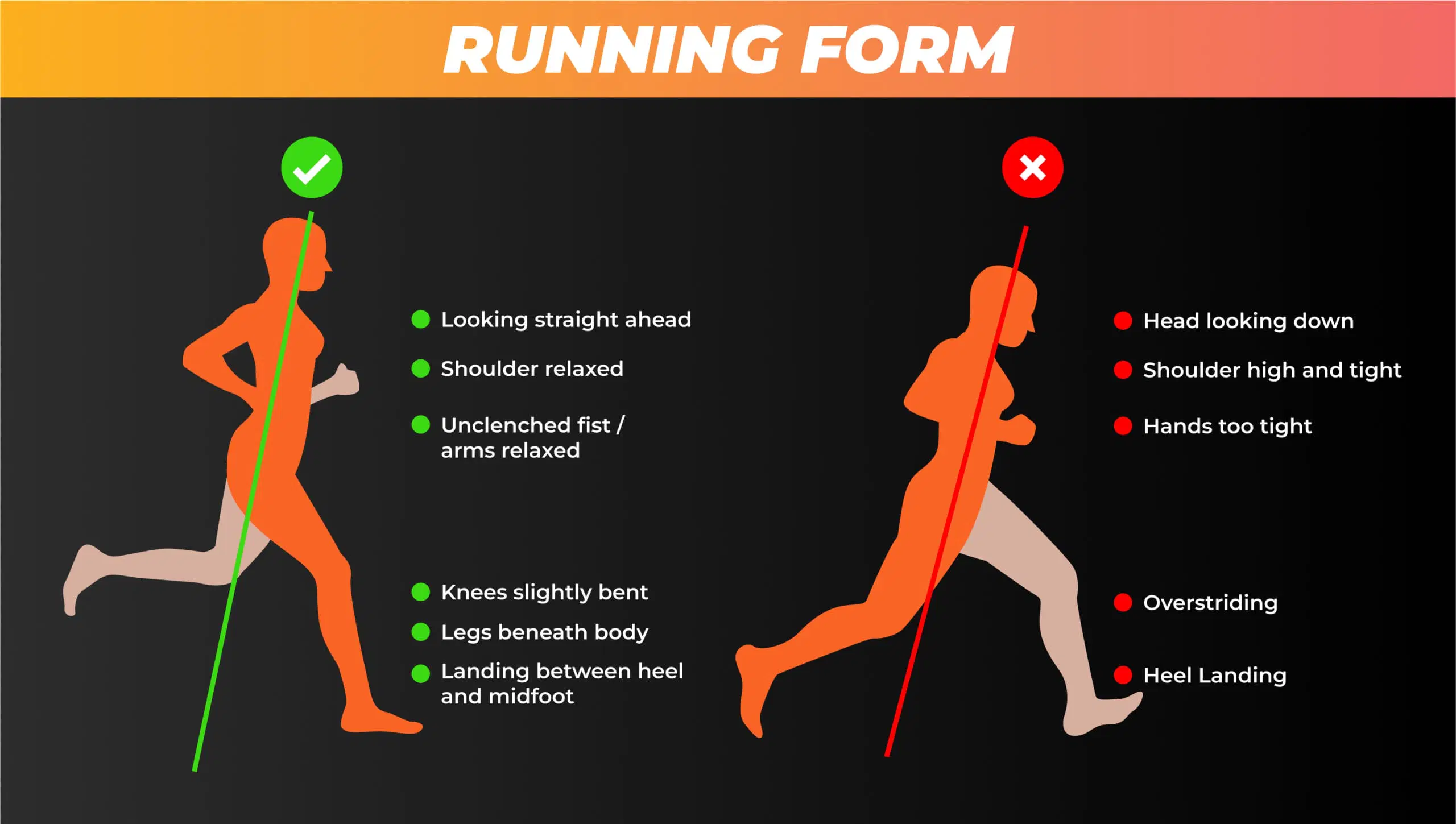
Running is one giant chain reaction. If your feet are collapsing, your knees and hips twist, and your spine copensates. Strong feet = strong spine. It really is that simple.
4. Recovery Creates Resilience
Your spine LOVES recovery. Stretching, infrared sauna, hydration, mobility work, chiropractic adjustments and sleep all give your spinal tissues time to regenerate.
5. Your Mind Affects Your Spine
Stress shows up physically especially in the shoulders, diaphragm, neck and hips. Calm mind = calm spine. It’s all connected.
Train With a Spine That Supports You
When you care for your spine like an athlete, your entire body responds with energy, power and longevity.
How Your Feet Shape Your Spine (Yes… Really!)
If you’ve ever wondered why your back or hips keep getting tight, your feet might be the secret clue! As a chiropractor, I see it all the time: the entire body is built from the ground up, which means your feet are the foundation of your posture.
Here’s how your feet influence your knees, hips, pelvis and spine — and what you can do to strengthen that foundation beautifully.
1. Collapsed Arches Tilt Everything
When your arch drops inward, your knee rotates inward, your hip twists and your pelvis tilts. This can make your lower back work way too hard.
2. Strong Feet = Supported Spine
Activated foot muscles instantly change your posture. Toes spreading, arches lifting, ankles stabilising — your entire body stacks more naturally when your feet switch on.
3. It’s All One Beautiful Chain
Every step you take sends force up through your body. Healthy feet absorb and transfer that force with ease. Weak feet twist and overload your hips and lower back.
4. Everyone Should Train Their Feet
It’s never too late! Try toe yoga, barefoot balance, slow heel raises and short grass strides. Your feet absolutely love these.
Your Spine Starts at Your Feet
If your back or hips keep tightening, look down. Strengthen your feet and the whole chain above often transforms.
How to Build a Forever-Young Spine
Ageing isn’t about getting older, it’s about losing movement, hydration and strength. And the best news? You can absolutely keep your spine feeling youthful with a few simple daily rituals.
Here’s my “Forever Young Spine Formula” that I share with patients, athletes and absolutely everyone who wants to feel vibrant as they age.
1. Morning Cat-Cow to Wake Up Your Spine
Overnight, your discs fill with fluid, which is wonderful! Gently moving your spine in the morning (like cat-cow) helps hydrate and nourish it evenly. It feels incredible.
2. Rib Twists for Upper-Back Freedom
Your thoracic spine LOVES rotation. Sit tall, twist gently and breathe into your ribs. This keeps your mid-back supple and your posture open.
3. Hip Flexor Love
Tight hip flexors are one of the sneakiest contributors to lower back fatigue. A 30-second hip-flexor stretch daily can change how your whole body moves.
4. Glute Switch-On
Strong glutes = happy lower back. Try 10 glute bridges and hold each squeeze for three seconds. Your spine will feel supported and energised.
5. Barefoot Balance for Brain + Body Youthfulness
Standing on one leg (especially barefoot) is AMAZING for your stabilisers and your nervous system. Try 20–30 seconds each side.
Your Spine Can Feel Better Every Year
With tiny daily rituals, your spine can feel younger, more open and more mobile as the years go by. You absolutely deserve to feel amazing in your body.
FOOT HEALTH AND BAREFOOT FUNCTION
Why Strong Feet Are the Foundation of a Healthy, Active Life
When we talk about optimal health, glowing vitality and ageing joyfully, we often jump straight to diet, workouts, posture and stress.
But here’s the truth I wish EVERYBODY knew…
✨ Your feet are your foundation.
✨ Your feet determine how the rest of your body moves.
✨ Happy feet = a happy spine!
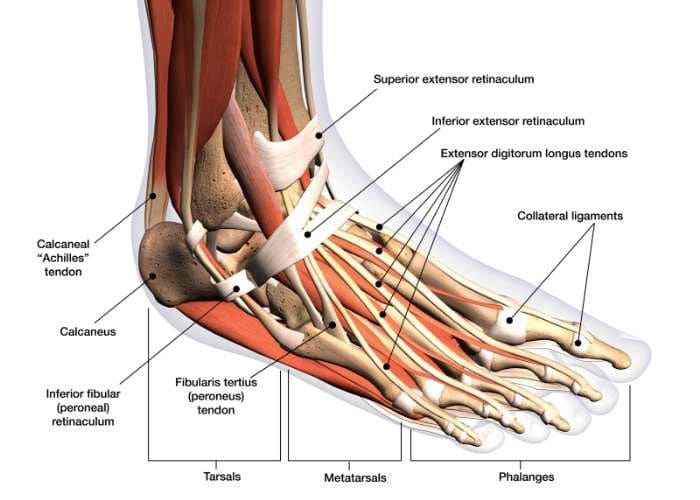
Your feet contain 26 bones, 33 joints and over 100 muscles, tendons and ligaments. They are tiny masterpieces of engineering — but modern life weakens them.
Shoes with stiff soles, narrow toe boxes, elevated heels and hours of sitting all lead to feet that forget how to do their job.
Why strong feet matter
Strong, mobile feet help you:
-
Improve balance and stability
-
Create better shock absorption in running and walking
-
Reduce knee, hip and lower-back pain
-
Improve posture all the way up the chain
-
Move more naturally and freely, at ANY age
-
Build confidence in everyday movement
In my chiropractic studio, the number of issues that magically improve once we restore foot strength still blows me away after 30 years of practice!
Simple ways to begin strengthening your feet
-
Spend more time barefoot at home
-
Spread your toes wide, consciously!
-
Do daily calf and plantar fascia mobility
-
Start incorporating short bursts of barefoot walking on safe, natural surfaces
-
Explore minimalist shoes gradually (slow is smart!)
Your feet weren’t designed to be prisoners … they were designed to MOVE.
Nurture them, strengthen them, wake them up, and watch the ripple effect of wellness flow upward through your whole body.
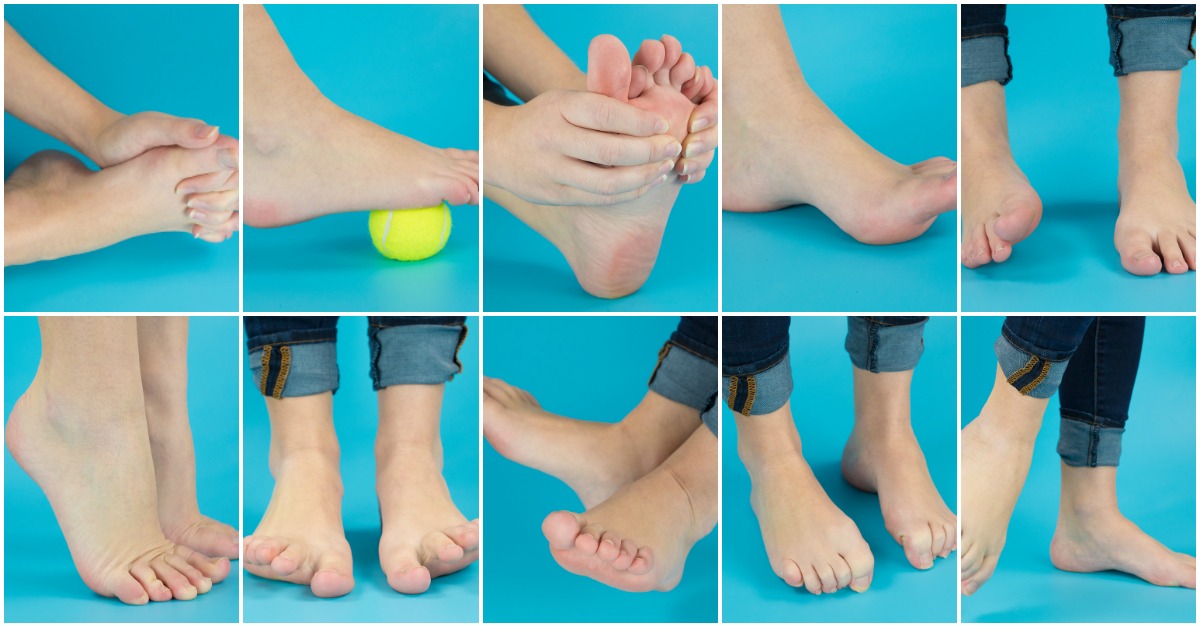
Toe Yoga for Beginners: Wake Up Your Feet & Improve Balance
This is one of my favourite things to teach — because it looks cute, feels amazing, and works absolute wonders!
Toe yoga is simply the art of getting your toes to move independently, just like fingers.
Most people discover that their toes behave like one glued-together blob… and that’s okay! We’re here to wake them up.
Why Toe Yoga Matters
Toe yoga strengthens the intrinsic muscles of your feet — the little powerhouse muscles that:
-
Stabilise your arch
-
Control balance
-
Support your ankles
-
Reduce load on your knees and hips
-
Make your gait smoother and more natural
Good toe control = good foot mechanics = better whole-body movement.
Try these toe-yoga exercises
1. Big Toe Lift
Lift only your big toes while the other toes stay pressed down.
Then reverse: press big toes down and lift the other four toes.
10 reps each side.
2. Toe Fan
Spread all toes as wide as possible.
Hold for five breaths.
Repeat five times.
3. Piano Toes
Tap your toes one at a time from big toe to pinky toe.
Even tiny attempts count!
The magic?
Within weeks, your feet feel stronger, lighter, more coordinated… and your balance improves without you even thinking about it.
Toe yoga = tiny movement, HUGE benefit.
Your whole body will thank you!
How Barefoot Walking Helps Rebuild Natural Strength
Barefoot walking is one of the simplest, most uplifting wellness tools you can add into your day — and your feet absolutely LOVE it.
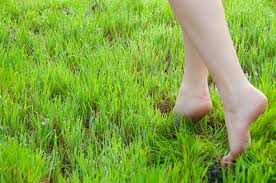
When you walk barefoot on natural surfaces like grass, sand or firm earth, your feet finally get to move the way nature intended.
Your toes can spread, your arch can load and spring, and your ankle can stabilise without stiff shoes interfering.
Benefits of barefoot walking
Barefoot walking helps:
-
Strengthen the intrinsic foot muscles
-
Improve your proprioception (your body’s sense of position)
-
Re-train natural gait and posture
-
Increase circulation through the lower legs
-
Calm the nervous system through grounding
-
Reduce stiffness through ankles and calves
I prescribe barefoot walking to patients recovering from injuries, runners wanting to move better, and everyday humans wanting to age well.
It is THAT powerful.
Start safely
-
Begin with 5–10 minutes on soft grass.
-
Increase gradually each week.
-
Listen to your feet — they’ll guide you.
-
Avoid bitumen and rocky surfaces early on.
Bonus benefit:
Walking barefoot brings a sense of joy and freedom that reconnects you with your body and the earth beneath you.
Every step becomes a mini massage and a mini meditation.
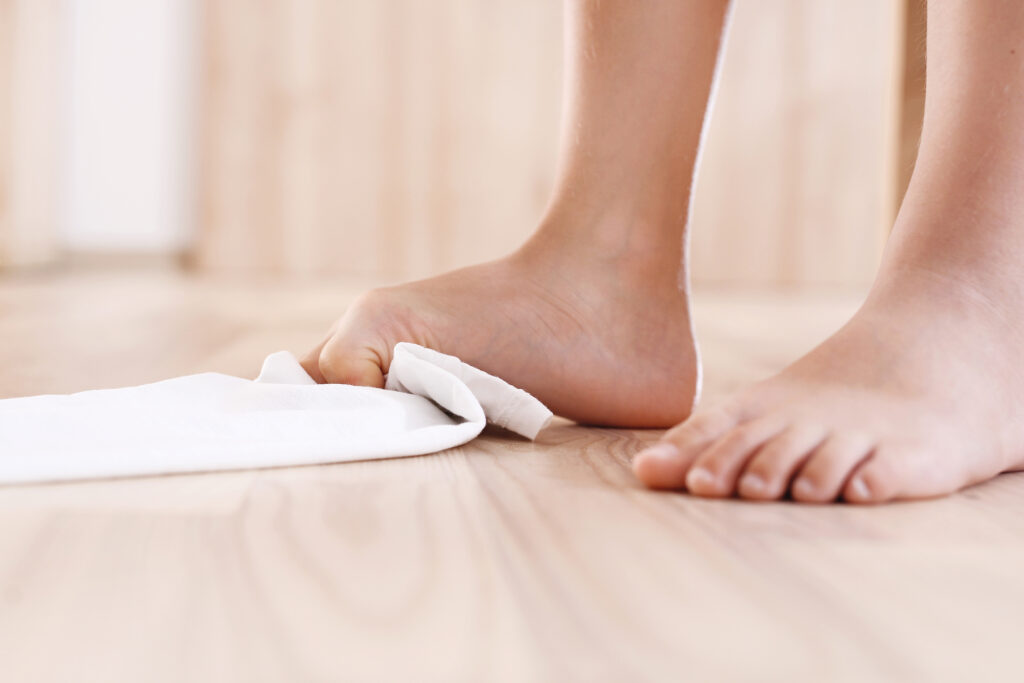
The Link Between Foot Strength, Stability & a Happy Lower Back
One of the most common surprises in my practice is this:
When we strengthen someone’s feet… their lower back often improves.
The feet and spine are part of the same movement chain.
If the base is unstable, everything above must compensate, especially the lower back.
Weak feet can cause:
-
Collapsing arches
-
Over-pronation
-
Tight calves
-
Knee stress
-
Hip rotation
-
Lower-back fatigue and pain
When your feet aren’t absorbing shock properly, your lower back becomes the “shock absorber” and that’s not its job!
Strengthening your feet supports your spine by:
-
Improving the way your pelvis moves
-
Reducing uneven load through the knees and hips
-
Allowing your spine to stack and move naturally
-
Improving overall posture and alignment
Simple drills for foot-to-spine happiness
-
Toe yoga (always!)
-
Short barefoot walks
-
Arch doming exercises
-
Calf raises with slow control
-
Single-leg balance work
When your feet are stable, your whole spine breathes easier, literally.
I’ve watched people go from chronic lower-back tightness to feeling light, springy and mobile simply by strengthening their foundations.
It is absolutely magical.
Foot-Friendly Warm-Ups Every Active Adult Should Be Doing
If you’re running, walking, training, lifting or even doing Pilates… your feet need a warm-up just like the rest of your body.
And guess what, it only takes 2–3 minutes.
Warm, activated feet mean:
-
Better balance
-
Better power transfer
-
Better injury prevention
-
Happier ankles, knees, hips and back
My go-to foot-friendly warm-up routine
1. Ankle Circles — 20 each way
Loosen up stiffness and improve joint mobility.
2. Toe Yoga — 10 reps
Wake up those intrinsic muscles.
3. Calf Rock-Backs
Standing calf stretch with slow rocking to warm the full foot.
10–15 reps.
4. Short-Foot Activation
Gently draw the arch up without curling your toes.
Hold 5 seconds × 10.
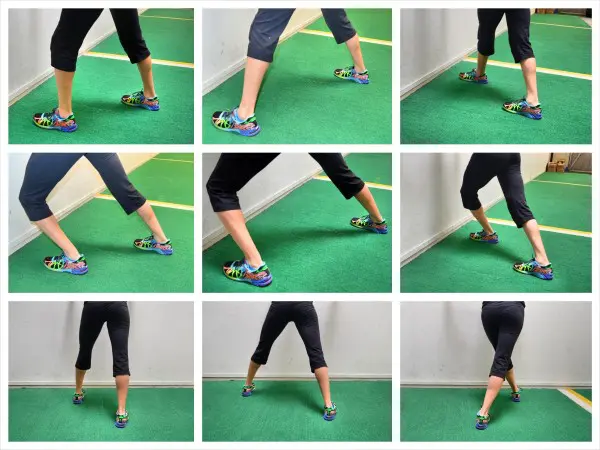
5. Barefoot Mini Marching
March on the spot barefoot to warm your arches and toes.
30–45 seconds.
This tiny routine = huge improvements.
Strong, warmed-up feet make every movement easier, smoother and more enjoyable.
It’s the perfect act of self-care AND performance care, whether you’re a runner, a walker or simply someone who wants to feel fabulous moving through life.
BREATHING & NERVOUS SYSTEM
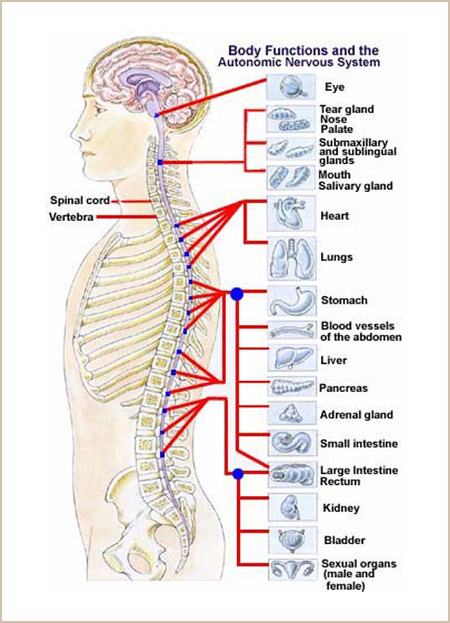
Nervous System Reset: How Chiropractic Helps You Move From Fight-or-Flight to Calm
Ever feel like your body is stuck on high alert? Heart racing, shoulders tight, jaw clenched?
That’s your sympathetic nervous system, your body’s “fight-or-flight” mode. And if it’s constantly switched on, it affects everything: posture, digestion, sleep, energy, and even your mood.
How Chiropractic Supports Your Nervous System
Chiropractic care doesn’t just adjust bones, it communicates with your nervous system.
When spinal joints move freely, signals flow more efficiently between your brain and body. This helps your body:
-
Release tension naturally
-
Restore mobility and posture
-
Improve circulation
-
Calm the nervous system
Self-Care Tools for a Nervous-System Reset
Even outside the clinic, you can help your nervous system:
-
Gentle spinal stretches
-
Deep diaphragmatic breathing
-
Short barefoot walks in nature
-
Mindful pauses between tasks
A calmer nervous system = a more energised, aligned, and happier YOU.
Breathwork for Posture: How Better Breathing Opens Your Spine
Breathing might be the single easiest way to improve posture. Yet most people barely use half their lung capacity!
The Breath–Spine Connection
When you breathe deeply and fully:
-
Your diaphragm expands in all directions
-
Your ribs move naturally
-
Your spine gently lengthens and decompresses
Shallow breathing = tight chest, rounded shoulders, and a compressed spine. Full, mindful breathing = open posture and more energy.
A Quick Exercise
-
Place hands on your lower ribs
-
Breathe in slowly, expanding your ribs sideways and backwards
-
Exhale slowly, letting tension melt away
-
Repeat 5–10 breaths
Do this daily, even 2 minutes a day makes a huge difference in how your spine feels and moves.
The Diaphragm–Pelvic Floor–Spine Triangle Explained Simply
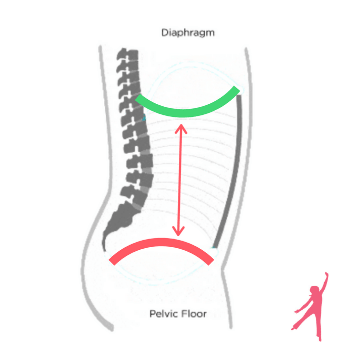
Your diaphragm and pelvic floor are secret superheroes of movement, posture, and core stability.
When they work together, your spine is supported, your posture improves, and movement feels effortless.
How It Works
-
Diaphragm: moves with your breath and helps stabilise your core
-
Pelvic floor: works with the diaphragm to support organs and spine
-
Spine: receives proper loading and decompression
When these systems aren’t coordinated, you might notice:
-
Lower-back stiffness
-
Pelvic discomfort
-
Poor posture or “slumped” feeling
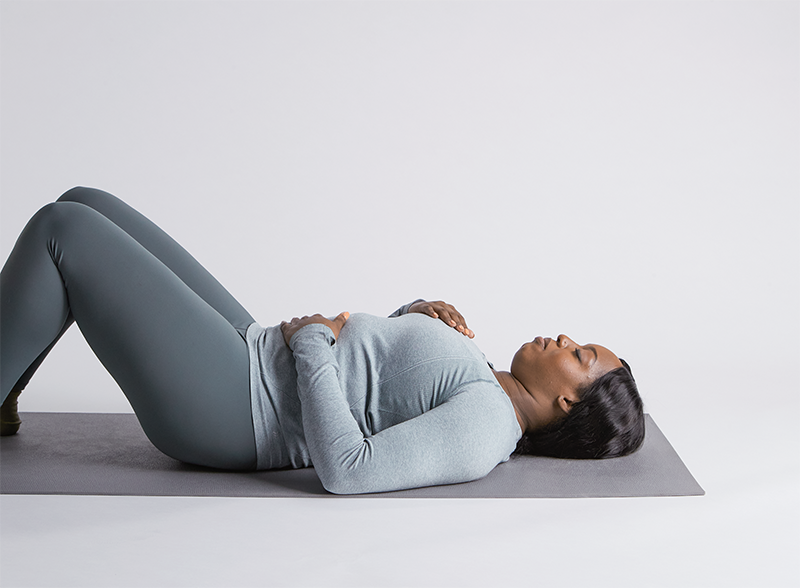
Simple Exercise to Connect Them
-
Lie on your back, knees bent
-
Inhale: let your diaphragm move down and pelvic floor relax
-
Exhale: gently engage your pelvic floor as your diaphragm lifts
-
Repeat 5–10 times, feeling the spine supported and lengthened
It’s like giving your core a gentle, loving reset, and your spine will thank you.
3 Breaths That Improve Sleep (Backed by Chiropractic Insight)
Struggling with sleep? Your nervous system might be overworked. Using your breath before bed is one of the easiest ways to relax your mind and spine.
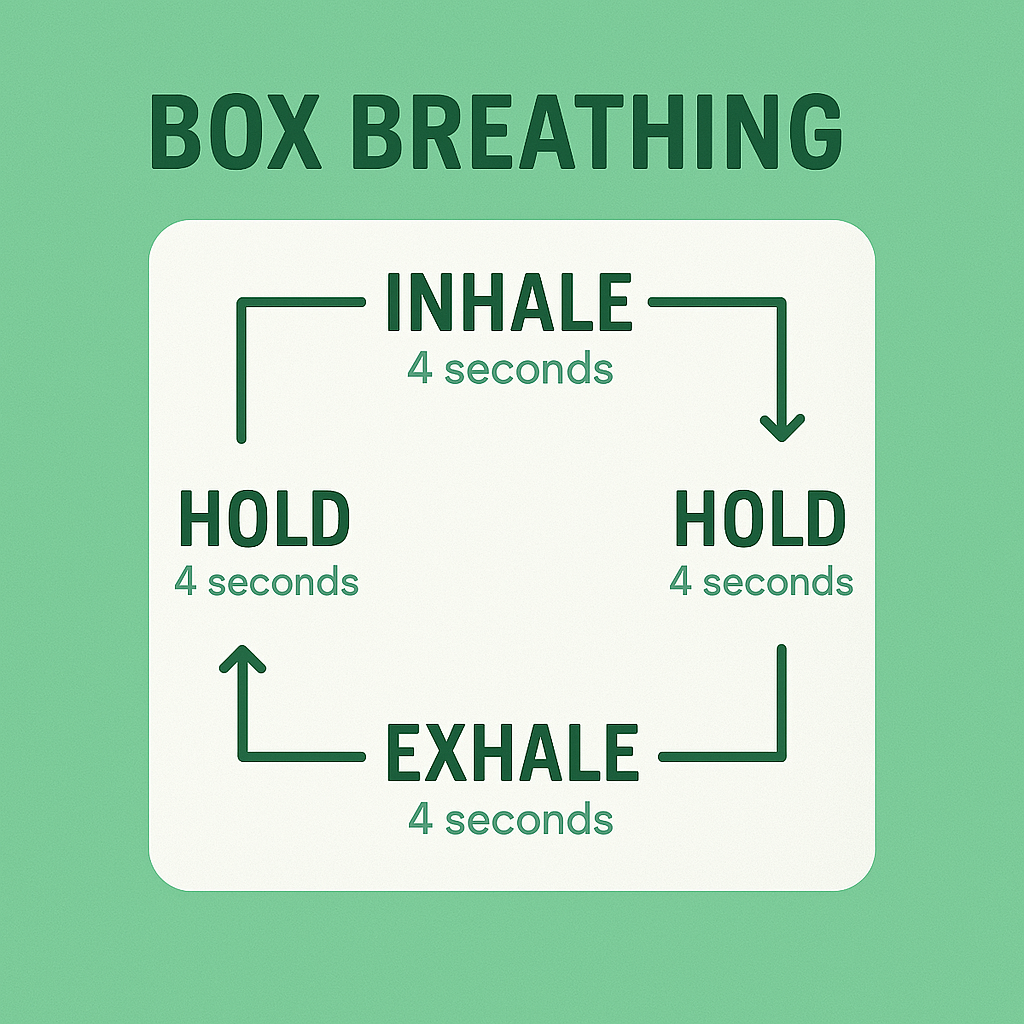
Breath #1: Box Breathing
-
Inhale 4 counts
-
Hold 4 counts
-
Exhale 4 counts
-
Hold 4 counts
Repeat 5–10 cycles.
Result: nervous system calms, heart rate slows, spine relaxes.
Breath #2: Diaphragmatic Belly Breathing
-
Place one hand on your belly
-
Inhale fully, feeling your belly rise
-
Exhale slowly, letting your belly fall
Repeat 10 breaths
This gently decompresses the lower spine and relaxes muscles.
Breath #3: 4–7–8 Sleep Breath
-
Inhale 4 counts
-
Hold 7 counts
-
Exhale 8 counts
Repeat 4–6 cycles
Perfect to settle the mind and spine before bed.
Even a few minutes of these breaths can improve sleep quality, posture while lying, and overall recovery.
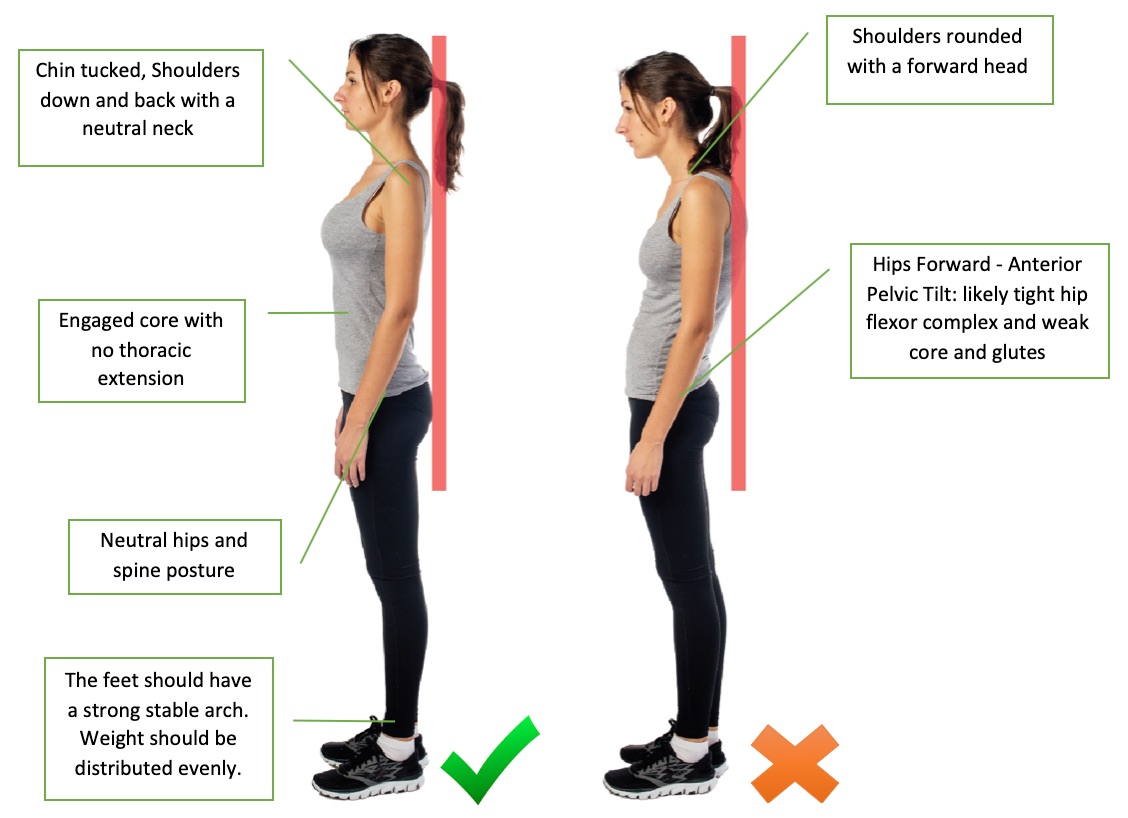
How Spinal Alignment Influences Your Nervous System and Wellbeing
Your spine isn’t just a stack of bones, it’s the communication superhighway for your entire nervous system.
Every misalignment or restriction can subtly affect posture, energy, sleep, mood, digestion… even your immunity.
Why Alignment Matters
-
Freely moving spinal joints allow nerves to communicate efficiently
-
Better nerve flow = improved organ function, posture, muscle tone and energy
-
A healthy spine = a more resilient, vibrant body
Tips to Support Your Nervous System Daily
-
Gentle morning spine stretches
-
Mindful breathing exercises
-
Short barefoot walks
-
Chiropractic adjustments when needed
Your spine is your nervous system’s best friend, treat it with kindness and movement, and it will support you beautifully in every aspect of life.
ATHLETIC LONGEVITY AND AGEING WELL
7 Secrets to Staying Strong, Flexible and Energised After 40
Ageing gracefully isn’t about slowing down — it’s about moving smarter, stronger and with more joy. After decades of competing and treating patients, here’s what I’ve learned: small daily habits create lasting vitality.
My Top 7 Secrets
-
Move Every Day – short walks, stretching, or mobility drills. Consistency beats intensity.
-
Strength Matters – lift, press, squat or carry something. Your muscles are your lifelong spine support.
-
Foot Health First – strong feet = better balance, posture, and reduced joint load.
-
Breathe Deeply – better oxygen = better recovery, focus and core stability.
-
Recovery is Key – infrared sauna, stretching, gentle walks, and sleep restore your body.
-
Mind Your Spine – small posture habits prevent aches and preserve flexibility.
-
Play & Joy – movement should make you smile. Your nervous system, heart, and spine love it!
Remember: It’s not about hours in the gym. It’s about smart movement, daily consistency, and listening to your body.
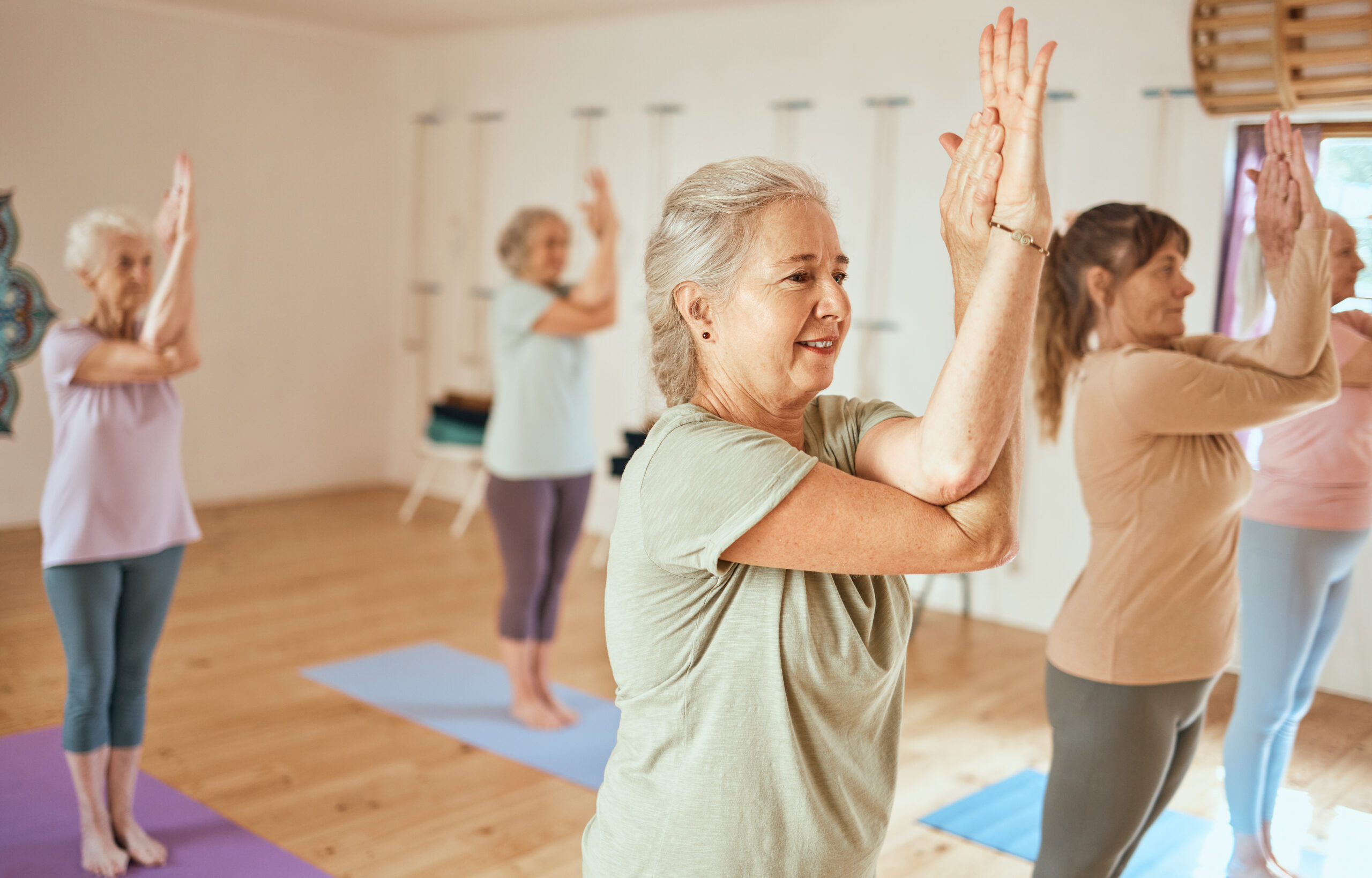
Why Spinal Health is Your Secret Weapon for Longevity
Your spine is the foundation of every movement, every breath, and every step. When it moves freely, you move better, recover faster, and age with more vitality.
How a Healthy Spine Supports Longevity
-
Mobility: keeps joints pain-free and strong
-
Nervous System Function: supports energy, mood, sleep, and digestion
-
Posture: reduces strain on muscles and joints
-
Athletic Performance: improves running, lifting, and everyday movement
Even small daily adjustments — posture checks, gentle stretches, and spinal activations — make a huge difference in long-term vitality.
How Athletes Can Prevent Age-Related Injuries
Aging bodies aren’t fragile — but they do need extra care to stay resilient. Athletes and active adults can prevent injuries by focusing on movement quality, mobility, and recovery.
Top Tips for Injury Prevention
-
Warm-Up Feet & Ankles: activate the base to support knees, hips, and spine
-
Strengthen Key Muscles: glutes, core, back, and intrinsic foot muscles
-
Incorporate Mobility Drills: hips, thoracic spine, ankles, and shoulders
-
Prioritise Recovery: sleep, gentle stretching, and infrared sauna
-
Move Mindfully: avoid repetitive overload and respect your body’s signals
Prevention beats cure every time. These small habits allow your body to stay active, strong, and joyful — even in your 50s, 60s, and beyond!

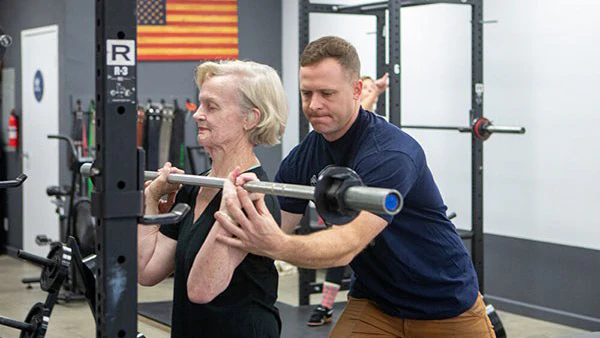
Functional Strength: Why It’s More Important Than Ever as We Age
Functional strength is the ability to move your body efficiently and safely through daily life — not just how much you can lift in a gym.
Why Functional Strength Matters
-
Supports spine and joints
-
Improves balance and stability
-
Reduces risk of falls or injuries
-
Makes everyday movements effortless and pain-free
Simple Functional Strength Exercises
-
Squats, sit-to-stands, or step-ups
-
Heel raises and short foot activation
-
Glute bridges and hip lifts
-
Core rotations and plank variations
Consistency is key! Just a few minutes each day keeps your muscles, joints, and spine strong and ready for life.
Recovery and Regeneration Tips for Active Adults
Your body is always communicating — especially as you age. Recovery isn’t optional; it’s essential for athletic longevity and overall wellness.
My Go-To Recovery Routine
-
Gentle Mobility Work: wake up joints and muscles
-
Infrared Sauna Sessions: reduce inflammation, boost circulation
-
Walking or Light Cardio: improves blood flow
-
Foam Rolling or Self-Massage: release tight muscles
-
Deep Breathing & Meditation: calm the nervous system
-
Quality Sleep: the ultimate repair tool
When you invest in recovery, your body performs better, moves freer, and resists injury — making you feel vibrant at any age.

VIC 3222, Australia
www.correctivechiro.com